Every acrylic or dip client in Conover eventually faces the same appointment question: fill this set, or soak it off and start fresh? The fill is the default for a reason, it is quicker, preserves your length, and keeps a sound structure in service. But a fill applied to a set that is quietly failing underneath just postpones a bigger problem, and patches it in the meantime. This decision guide sorts the choice by situation, so you can look at your own nails and know which side of the line they are on before you sit down at Elena Nail Spa.
How to read your set before you book
Start with regrowth: a band of bare natural nail at the base is normal and is exactly what a fill is for. Then check bond: run a fingertip lightly over each nail and look at the side edges for lifting, a pale line where product has separated, or a corner that gives when pressed. Then check structure: cracks across the middle, a shape that has grown lopsided, or several nails needing repair at once. One problem on one nail is a repair. The same problem on four nails is a verdict on the whole set.
| Your situation | Fill-in | Fresh set |
|---|---|---|
| Two to three weeks of regrowth, no lifting, shape still true | Yes, the textbook case | Unnecessary |
| One nail chipped or broken, the other nine sound | Yes, rebuild the one nail during the fill | Only if you want a full change anyway |
| Lifting on three or more nails, or edges lifting again within days of the last fill | No, patches will keep failing | Yes, the bond problem is set-wide |
| Green, dark, or cloudy discoloration under any nail | No | Yes, and that nail stays bare until the stain grows out |
| After two to three fills, product layered and shape drifting | Possible, but returns diminish | Yes, reset and inspect every natural nail |
| Major change wanted: much shorter, much longer, or a new shape family | Awkward and time-consuming | Yes, building the change fresh is cleaner |
| A painful break low on the natural nail, or soreness under the set | No | Yes, product off and the nail assessed before anything new |
What each appointment actually involves
A fill works on the junction. Grown-out product is filed down, any lifted material is removed completely rather than sealed over, new growth is prepped, and fresh product rebuilds the stress point over the center of the nail before color goes on. Expect it to take noticeably less time than your original full set. A fresh set starts with a full soak-off removal, a look at all ten natural nails in the open, a short rest for the plates if they need it, and then a complete build. That inspection is not a formality: sets worn for months can hide thinning from earlier heavy-handed filing, a stain developing under one nail, or a low break that has been splinted by product.
The rhythm most clients settle into
Fills every two to three weeks, a reset after two or three fills, is the pattern that keeps both cost of time and risk low. Stretching fills to four or five weeks shifts the thick part of the enhancement toward the tip, turns the nail into a lever, and makes the painful low break, the one that takes the natural nail with it, much more likely. Resetting every single time, on the other hand, means constant soak-offs, which dry the plate and skin and expose nails to removal far more often than needed. The middle rhythm exists because both extremes cause their own damage.

Questions that settle a close call
If you are between the two, answer these honestly. Has any nail lifted twice in a row? Repairs that do not hold point under the set, not at it. Do you trust what is underneath? If the set has been on through many fills and you cannot remember the last full look at your natural nails, that alone justifies the reset. Is a big occasion inside the next cycle? A fresh set two weeks before an event, followed by one fill just before it, is the most reliable sequence a Conover calendar can hold. And is anything sore? Pain always chooses removal and inspection first, decoration second.
Common questions
Does a fresh set damage nails more than fills?
A fresh set means a soak-off, which is drying but not damaging when done patiently. Repeated fills on failing product cause more real harm, because breaks and trapped moisture develop underneath while the surface looks fine.
Can I switch from dip to acrylic at a reset?
Yes, a soak-off reset is the natural moment to change systems, length, or shape family. Tell the salon when booking so the appointment is timed for a full build rather than a fill.
How will I know a fill was done badly?
Lifting returning within the first week, a visible ridge at the regrowth line you can catch a nail on, or soreness after filing are the signs. Mention them at the next visit; a careful technician will adjust prep and product placement.
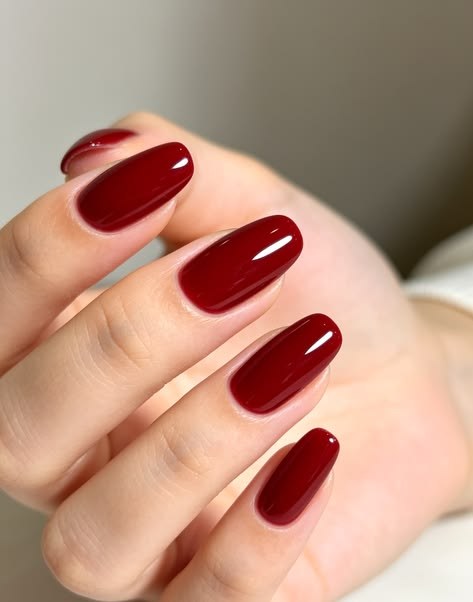
Photos in this guide are representative stock images.
← All guides from Elena Nail Spa← Back to Elena Nail Spa